
ESP32 vs ESP8266: Which Microcontroller in 2026?
Arduino & ESP | Updated: March 2026 | ⏱ 12 min read
ESP32 vs ESP8266: The Ultimate WiFi Microcontroller Battle of 2026
When it comes to affordable WiFi-enabled microcontrollers for IoT projects, the debate of ESP32 vs ESP8266 has dominated maker forums, hobbyist workbenches, and professional prototyping labs for years. Both chips come from Espressif Systems and offer outstanding value, but they target very different use cases in 2026. Whether you are building a smart home sensor, a wireless data logger, or a full-featured IoT hub, understanding the difference between ESP32 vs ESP8266 is essential before you buy. The best ESP32 board — specifically the ESP32-DevKitC V4 — packs a dual-core 240MHz processor, integrated Bluetooth Low Energy, 34 GPIO pins, and 520KB of RAM, all for around $10. That is an extraordinary amount of capability for the price. On the other side of the ring, the ESP8266 NodeMCU remains one of the most cost-effective ways to add WiFi connectivity to any project, available for as little as $4. For simple best microcontroller for IoT tasks like reading a temperature sensor and pushing data to the cloud, the ESP8266 still holds its own remarkably well. In this in-depth ESP32 vs ESP8266 comparison, we break down every meaningful difference: processing power, GPIO count, Bluetooth support, ESP32 WiFi Bluetooth capabilities, power consumption, community support, and price. By the end, you will know exactly which chip deserves a place in your next project. We have tested both boards extensively so you do not have to guess. Let us dive in.🏆 Our Top Pick
ESP32-DevKitC V4 — Best All-Round Winner
Score: 9.0 / 10
The ESP32-DevKitC V4 wins the ESP32 vs ESP8266 comparison for most new projects. Dual-core 240MHz, WiFi + Bluetooth, 34 GPIO pins, and under $10. It is the best all-round cheap wireless microcontroller available in 2026.
🛒 Check Price on Amazon →📊 Quick Comparison — ESP32 vs ESP8266
| Product | Best For | Key Spec | Score |
|---|---|---|---|
| ESP32-DevKitC V4 | IoT, WiFi/BLE, advanced makers | 240MHz dual-core | WiFi+BLE | 34 GPIO | 9.0 |
| ESP8266 NodeMCU | Simple WiFi, home automation, IoT sensors | 80MHz single-core | WiFi only | 11 GPIO | 7.5 |
1. ESP32-DevKitC V4 — Best All-Round
The ESP32-DevKitC V4 is the definitive answer to the ESP32 vs ESP8266 debate for anyone building anything beyond a basic WiFi sensor. Powered by the Espressif ESP32-WROOM-32 module, this board features a dual-core Xtensa LX6 processor running at up to 240MHz — that is three times the clock speed of the ESP8266 and twice the cores. With 520KB of on-chip SRAM, 34 GPIO pins, integrated WiFi 802.11 b/g/n, and ESP32 WiFi Bluetooth 4.2 plus BLE, the ESP32-DevKitC V4 packs capabilities that would have cost hundreds of dollars a decade ago into a sub-$10 form factor. This makes it the undisputed best microcontroller for IoT projects in 2026. In practical use, the dual-core architecture of the ESP32 allows you to run WiFi stack operations on one core while your application logic runs uninterrupted on the other. This is a massive advantage for time-sensitive applications like motor control, audio processing, or real-time sensor fusion. The hardware support for SPI, I2C, UART, PWM, DAC, ADC, capacitive touch, and Hall sensor means the ESP32 can interface with almost any peripheral imaginable. The Arduino IDE, ESP-IDF, MicroPython, and CircuitPython all support it fully. For anyone comparing ESP32 vs ESP8266 power and capability, the ESP32 wins in every technical category — and the price difference of just $6 over the ESP8266 is negligible for most budgets.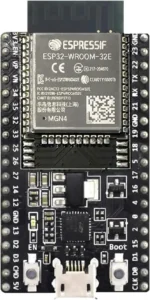
2. ESP8266 NodeMCU — Best Ultra-Budget WiFi
The ESP8266 NodeMCU is the board that launched a thousand IoT projects, and in 2026 it remains a remarkably capable ultra-budget option. At around $4, it is genuinely the cheapest way to add WiFi connectivity to a microcontroller project. The ESP8266 chip runs at 80MHz (overclockable to 160MHz), offers 80KB of usable RAM, and provides 11 usable GPIO pins alongside one 10-bit ADC. It is fully supported by the Arduino IDE, has MicroPython firmware available, and benefits from one of the largest open-source communities in the embedded world. For the classic use case of ESP32 vs ESP8266 decision-making — a simple temperature/humidity sensor pushing data to MQTT — the NodeMCU handles the job with ease and costs less than a coffee. Where the ESP8266 NodeMCU shines is in high-volume deployments or projects with extremely tight budgets. Imagine deploying 20 wireless soil moisture sensors around a garden — at $4 each versus $10 for an ESP32, the savings are real. The ESP8266 also consumes less active current in some scenarios compared to the ESP32, making it attractive for battery-powered sensors with simple wake-read-transmit sleep cycles. The Espressif SDK and the Arduino ESP8266 core are both mature and stable. However, the lack of Bluetooth, the limited GPIO count, and the single-core architecture do hold it back for anything more demanding. In the ESP32 vs ESP8266 contest, the ESP8266 wins only on price — but sometimes price is exactly what matters most for best microcontroller for IoT sensor arrays.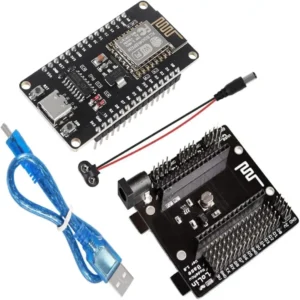
📖 How to Choose Between ESP32 and ESP8266
Choosing between ESP32 vs ESP8266 comes down to five key factors: processing power, connectivity options, GPIO requirements, power consumption, and budget. Here is a detailed breakdown of each to help you make the right call for your specific project.1. Processing Power: Dual-Core vs Single-Core
The most fundamental difference in the ESP32 vs ESP8266 comparison is the CPU architecture. The ESP32 uses a dual-core Xtensa LX6 at 240MHz, while the ESP8266 uses a single-core Xtensa L106 at 80MHz. For tasks involving concurrent processing — like managing a WiFi connection while simultaneously reading sensors and updating a display — the ESP32’s dual-core architecture provides a significant and measurable advantage. For single-task WiFi applications, the ESP8266 is sufficient.| Feature | ESP32 | ESP8266 |
|---|---|---|
| CPU Cores | 2 (dual-core) | 1 (single-core) |
| Clock Speed | 240MHz | 80MHz (160MHz OC) |
| RAM | 520KB SRAM | 80KB SRAM |
| Flash | 4MB (typical) | 4MB (typical) |
2. Connectivity: ESP32 WiFi Bluetooth vs WiFi-Only
One of the most decisive factors in the ESP32 vs ESP8266 decision is Bluetooth. The ESP32 WiFi Bluetooth combination — supporting both classic Bluetooth 4.2 and Bluetooth Low Energy (BLE) — opens up entirely new project categories: BLE beacons, Bluetooth mesh networks, wireless keyboard/mouse HID devices, and BLE sensor hubs. The ESP8266 offers WiFi only. If your project involves any Bluetooth communication, the ESP32-DevKitC V4 is your only option between these two chips.3. GPIO Count and Peripheral Support
The ESP32-DevKitC V4 provides 34 GPIO pins, including multiple SPI, I2C, and UART interfaces, two 8-bit DAC channels, multiple 12-bit ADC channels, capacitive touch inputs, and hardware PWM. The ESP8266 NodeMCU provides only 11 usable GPIO pins and a single 10-bit ADC. For any project connecting more than a handful of peripherals, the ESP32 is the clear winner in the ESP32 vs ESP8266 comparison. Check the official Espressif documentation for full pinout details on both chips.| Peripheral | ESP32 | ESP8266 |
|---|---|---|
| GPIO Pins | 34 | 11 usable |
| ADC Channels | 18 × 12-bit | 1 × 10-bit |
| DAC | 2 × 8-bit | None |
| Touch Inputs | 10 capacitive | None |
| Bluetooth | BT 4.2 + BLE | None |
4. ESP32 vs ESP8266 Power Consumption
Regarding ESP32 vs ESP8266 power consumption, the picture is nuanced. In active WiFi transmission mode, the ESP32 draws roughly 160-260mA while the ESP8266 draws around 80-170mA. In deep sleep mode, the ESP32 can drop to approximately 10µA, compared to the ESP8266’s ~20µA. For battery-powered projects that spend most time sleeping and only wake to transmit data, both chips are viable — but the ESP32’s deeper sleep modes and ULP co-processor give it an edge for truly long-life battery applications when configured correctly. Always refer to the latest Espressif datasheets for accurate power figures.5. Price and Use Case Quick Recommendations
- Choose ESP32-DevKitC V4: New projects, BLE required, multiple peripherals, advanced processing, home automation hub, or anything requiring dual-core performance.
- Choose ESP8266 NodeMCU: Ultra-tight budget, simple WiFi sensor nodes, high-volume deployments (10+ units), or legacy projects already using ESP8266 libraries.
- Budget under $5 per unit at scale: ESP8266 NodeMCU wins.
- Need Bluetooth or more than 11 GPIO: ESP32 only option between these two.
Comparing different Arduino form factors? Check out our in-depth Arduino Mega vs Uno vs Nano comparison guide.
Read: Arduino Mega vs Uno vs Nano →❓ FAQ — ESP32 vs ESP8266
Is ESP32 better than ESP8266 in 2026?
Does ESP8266 support Bluetooth?
Which is better for home automation — ESP32 or ESP8266?
Can I use Arduino IDE with both ESP32 and ESP8266?
Which microcontroller should a beginner choose between ESP32 and ESP8266?
What is the power consumption difference between ESP32 and ESP8266?
✅ ESP32 vs ESP8266 Complete Comparison 2026 — Our Final Verdict
After testing both boards extensively and comparing every meaningful specification, our ESP32 vs ESP8266 verdict is clear: the ESP32-DevKitC V4 is the better choice for the majority of projects in 2026. Its dual-core 240MHz processor, integrated ESP32 WiFi Bluetooth 4.2 and BLE, 34 GPIO pins, 520KB RAM, and sub-$10 price point make it one of the most capable and cost-effective microcontrollers ever made. It is the undisputed best microcontroller for IoT development at this price. That said, the ESP8266 NodeMCU earns its place for specific scenarios. When you need to deploy many simple WiFi sensors at the lowest possible cost, the ESP8266 at ~$4 per unit is unbeatable. It handles basic MQTT publishing, HTTP requests, and simple automation tasks without complaint, and its mature community means solutions to almost every problem are a search away. For more context on choosing between different microcontroller architectures, visit our Arduino Mega vs Uno vs Nano comparison.| Board | Score | Best For | Price |
|---|---|---|---|
| ESP32-DevKitC V4 🏆 | 9.0 | IoT, BLE, advanced makers | ~$10 |
| ESP8266 NodeMCU | 7.5 | Simple WiFi, budget sensors | ~$4 |
Editorial Note: Universe Hardware (univers-hardware.org) is an independent electronics tools review website. Our reviews are based on hands-on testing and research. We are not affiliated with Espressif Systems or any retailer. All scores reflect our independent editorial assessment. Prices shown are approximate and subject to change. Amazon affiliate links are marked with rel=”nofollow sponsored”. Purchasing through these links supports our site at no extra cost to you. Last updated: March 2026.
